opinion / February 27, 2026
Are we serious about children’s rights in the digital world?
As artificial intelligence reshapes platforms at extraordinary speed, are children’s rights keeping pace with the rapid shifts in their own digital world?
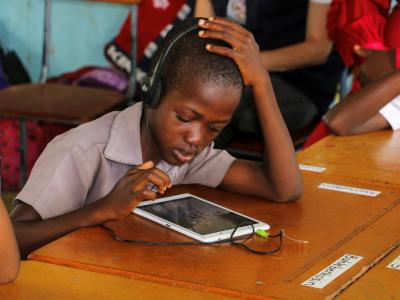
video / March 9, 2026
Between Fear and Hope: Day in the Life of a Girl in the West Bank
"The road to school takes an hour... When I go back alone, I'm afraid they will find me," says 12-year-old Dalia, about the daily challenges she faces.
video / March 4, 2026
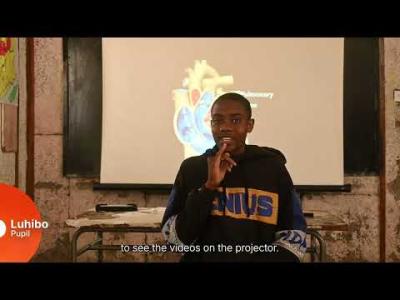
Bridging the Digital Gap: Empowering Every Learner Through Literacy
At World Vision Zambia, we believe that a child’s ability to communicate and learn should never be defined by their disability. Yet, for many learners who are deaf or hard of hearing, literacy remains one of the most significant barriers to reaching their full potential. Without the right tools, these students are often left behind in a world built for sound.
publication / March 3, 2026
UNCRC General comment No. 25 5th Anniversary Joint Letter
This joint letter marks the fifth anniversary of UNCRC General Comment No. 25, which reaffirmed in 2021 that children’s rights must be fully protected in the digital world .
article / February 26, 2026
Between Borders and Uncertainty: Families Rebuild Hope After the Cambodia–Thailand Conflict
Along the border between Cambodia and Thailand, the sound of conflict may have faded, but for thousands of families, the consequences are still unfolding, quietly, deeply, and every day.
publication / March 9, 2026
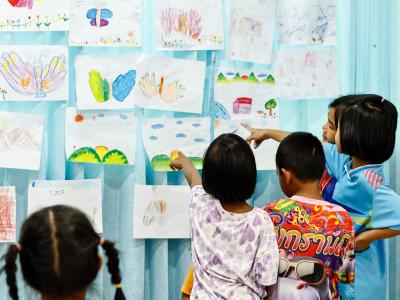
Policy Overview | Famine Prevention & Food Security
Famine is not a natural disaster and can be prevented. Across the world’s hunger hotspots, early warnings are clear, yet governments continue to act too late – or not at all. Conflict, blockades, and the denial of humanitarian access, not food scarcity, are driving a deepening hunger crisis, with children suffering first and longest. As aid budgets are cut, the gap between need and response is widening fast. This is a false economy: preventing famine costs far less than responding once lives are already lost. World Vision warns famine can be predicted and prevented – but only if leaders act early, protect civilians, and put children at the centre of hunger prevention.
publication / March 2, 2026
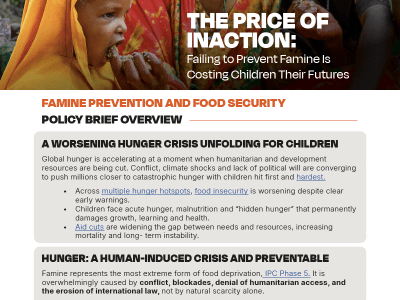
Policy Brief | Famine Prevention & Food Security
Policy Brief | Famine Prevention & Food Security
opinion / February 26, 2026
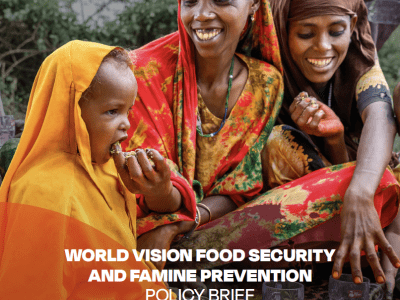
With every cut to aid and failure to invest in resilience, the future of South Sudan’s children hangs in the balance
Drawing on first‑hand experience from one of the world’s most fragile contexts, Paul Kinuthia, Senior Director, Food, Cash & Markets, Disaster Management, argues that repeatedly cutting food, health and protection services traps communities in endless crisis.
He makes the case that narrowing aid to short‑term survival is a false economy that drives higher costs, deeper instability and repeated emergencies. The solution, the author provides, is urgent investment in resilience alongside life‑saving aid. This investment should be seen as a credible way to protect children and reduce the need over time.
article / February 13, 2026
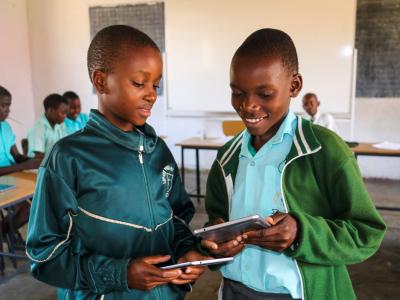
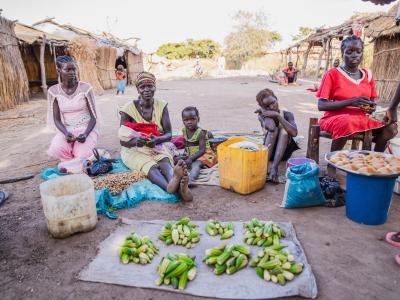
From Limited Resources to Limitless Learning: A Digital Leap for Lupane Primary School
For the children at Lupane Primary School, the tablets are more than technology, they are windows to new possibilities, inspiring dreams, building skills, bridging the digital divide and bringing hope that every child, no matter where they live, can succeed.
video / January 20, 2026
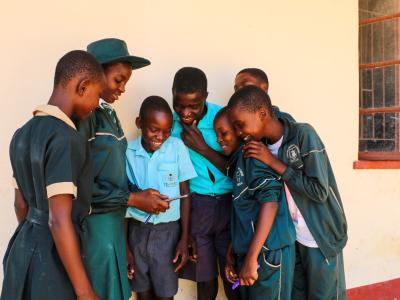
Bridging the Digital Divide: The EPIC Zambia Literacy Project
Imagine a Zambia where every child possesses the power of literacy and the tools of the modern age, replacing the digital divide with a landscape of limitless opportunity. In this vision, learners don't just read from paper; they navigate the internet, master computer software, and engage with interactive lessons through smartphones and high-definition projectors.